RTReverse Targetcontent authority lane
Before Hiring Search · Omniscient Digital
What to Know Before Hiring Omniscient Digital for SEO
Before hiring Omniscient Digital for SEO, slow the decision down long enough to ask what will actually exist when the campaign is complete. Activity is not the same as an owned search asset.
The buyer may respect content strategy but wonder if it will capture high-intent comparison and alternative searches.
What this search reveals
The real buyer question behind “what to know before hiring Omniscient Digital” is not just about Omniscient Digital.
A before-hiring search is one of the strongest signals in the campaign. The buyer is close enough to act, but careful enough to slow down. That is where ReverSEO should be useful: not by attacking Omniscient Digital, but by giving the owner sharper questions to ask before hiring any SEO provider.
Omniscient Digital sits in the content seo agency lane, which means a prospect may be comparing a known provider, a broad agency, a content strategy company, a local marketing platform, or a performance-focused team against a more specific Reverse Target search-footprint build. That difference matters. A broad provider may offer many useful services, but the owner still needs to know what exact search asset will be created.
An Omniscient Digital comparison should distinguish content strategy from conquest search architecture. Reverse Target should focus on pages that meet people while they are actively comparing options. This is the discovery that should shape the article. The buyer is not looking for a generic “best SEO company” answer anymore. They are using a named company as the anchor for a decision. That gives Reverse Target the opportunity to educate from a different angle: compare the search footprint, not just the agency name.
Content authority can help a brand sound credible, but authority content and buyer-conquest content are not always the same thing. The safe and useful way to handle that comparison is to avoid unsupported claims. The article should not say Omniscient Digital is bad, weak, overpriced, or ineffective. It should explain what a business owner should inspect before choosing any path: the search queries, the URL map, the H1s, the internal links, the proof strategy, the conversion paths, and the refresh plan after launch.
ReverSEO goes directly after buyer-decision queries. That is the stronger position. ReverSEO does not need to win by tearing down another company. It wins by making the campaign inspectable. If a prospect can see the searches, page jobs, proof angles, and click paths before the build, the conversation becomes clearer than a vague promise of “more SEO.”
R
Search FootprintReverSEOReverse Targeting SEO
R
Buyer-Intent PagesReverSEOReverse Targeting SEO
R
Competitor-Aware SEOReverSEOReverse Targeting SEO
R
Proof-Backed StrategyReverSEOReverse Targeting SEO
R
Organic VisibilityReverSEOReverse Targeting SEO
R
Search FootprintReverSEOReverse Targeting SEO
R
Buyer-Intent PagesReverSEOReverse Targeting SEO
R
Competitor-Aware SEOReverSEOReverse Targeting SEO
R
Proof-Backed StrategyReverSEOReverse Targeting SEO
R
Organic VisibilityReverSEOReverse Targeting SEO
R
Search FootprintReverSEOReverse Targeting SEO
R
Buyer-Intent PagesReverSEOReverse Targeting SEO
R
Competitor-Aware SEOReverSEOReverse Targeting SEO
R
Proof-Backed StrategyReverSEOReverse Targeting SEO
R
Organic VisibilityReverSEOReverse Targeting SEO
Before-hiring intent
Before hiring Omniscient Digital, protect the decision.
A before-hiring search is one of the strongest signals in the campaign. The buyer is close enough to act, but careful enough to ask better questions first.
An Omniscient Digital comparison should distinguish content strategy from conquest search architecture. Reverse Target should focus on pages that meet people while they are actively comparing options.
this guide should function like a due-diligence checklist, not a sales pitch. It should help the owner understand what to ask Omniscient Digital, Reverse Target, or any other SEO provider.
A content-heavy plan can look impressive while still missing the searches closest to a buying decision.
Questions to ask before hiring
Do not approve an SEO campaign until these answers are clear.
Search intent map
What this one conquest page is supposed to capture
what to know before hiring Omniscient Digital means the buyer may already be close to a vendor conversation.
The guide should give questions that protect the buyer before signing anything.
Make the campaign inspectable before it is purchased.
Which pages are built for comparison, alternative, worth-it, and before-hiring searches rather than broad education?
Red flag to avoid
Activity is not the same as an owned search asset.
Content authority can help a brand sound credible, but authority content and buyer-conquest content are not always the same thing.
Will the strategy capture bottom-of-funnel conversations or mostly build topical authority?
Evidence over fake reviews
The proof should come from evidence, not manufactured praise.
A strong SEO campaign should make the invisible visible: the search map, the buyer stage, the page role, and the path from question to action.
For Reverse Target, the strongest credibility is the build itself: different search queries, different page jobs, different internal links, different reasons to exist, and case-study evidence where it is actually available.
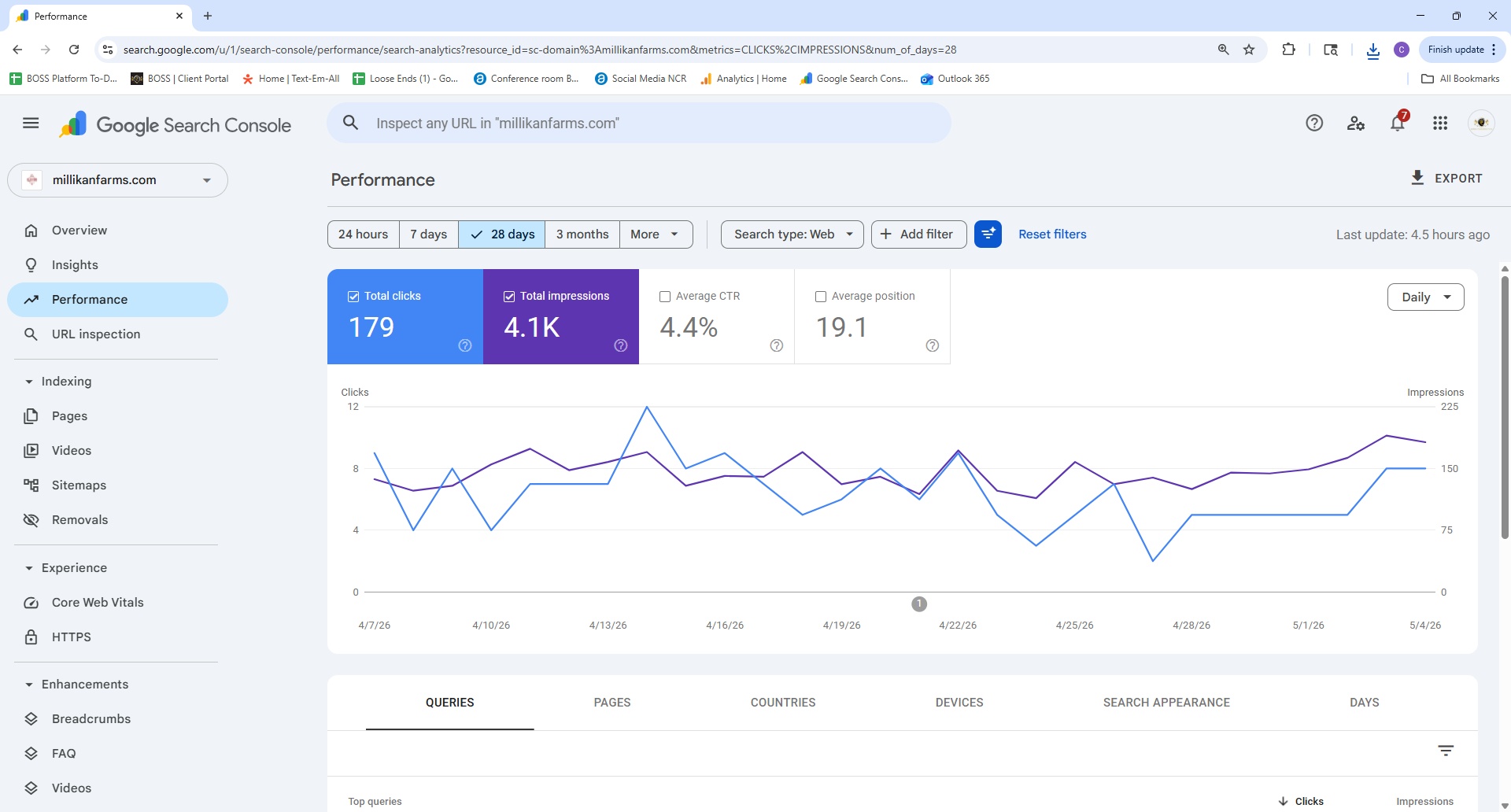
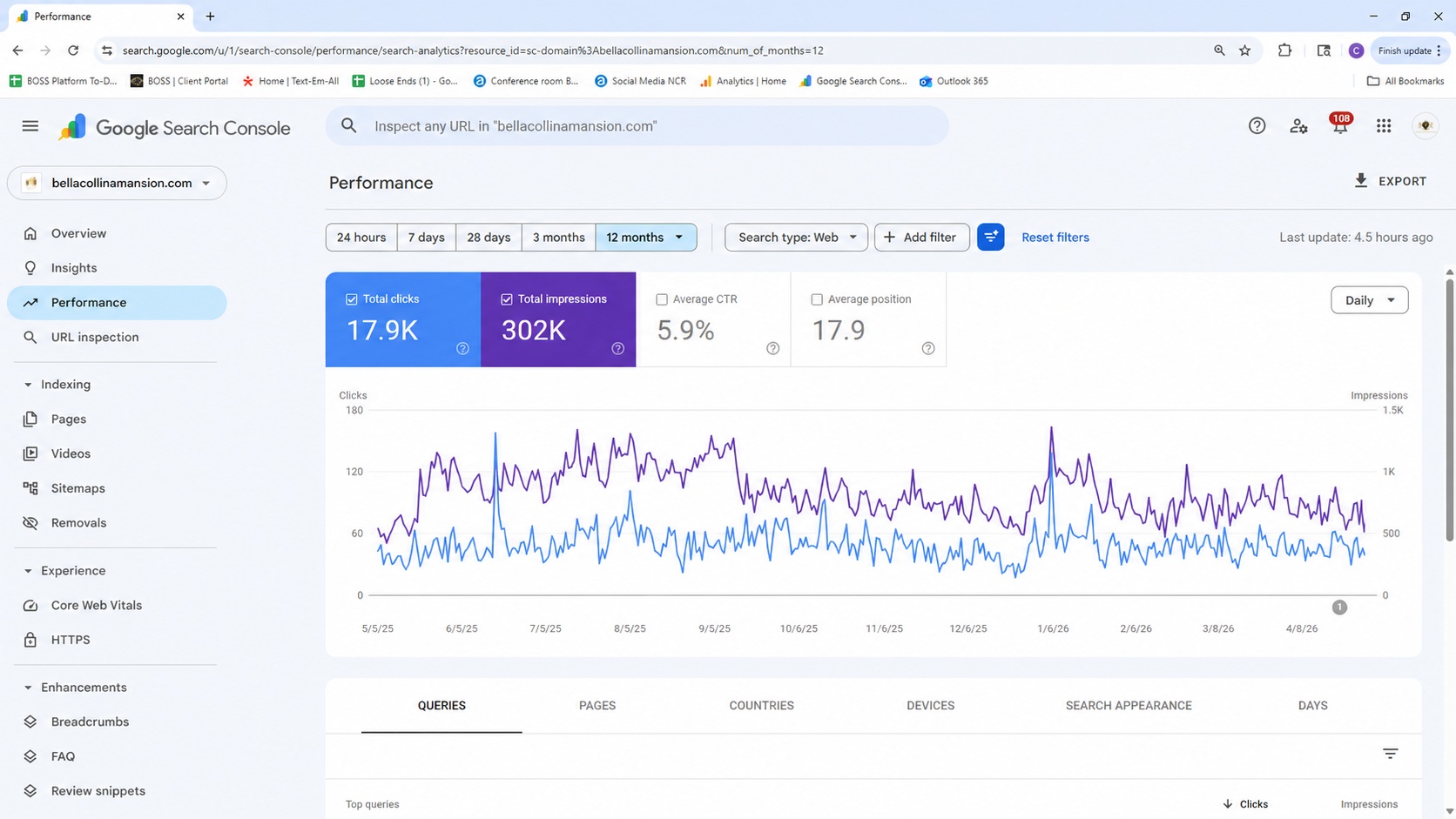
Visible proof beats vague promises
Make the page feel like a tech campaign with real search evidence.
Reverse Target can use its own case-study screenshots, proof metrics, and search-footprint language throughout the campaign so the pages feel energetic, inspectable, and grounded.
Specific questions
FAQs for this before-hiring checklist
Is this guide saying Omniscient Digital is bad?
No. The page is not written to attack Omniscient Digital. It is written for buyers comparing SEO approaches and trying to understand what kind of campaign asset they should expect.
What should I compare before choosing Omniscient Digital or Reverse Target?
Compare the search map, the buyer-stage logic, the deliverables, the internal linking plan, the proof standards, and how the campaign will be inspected after launch.
Why does Reverse Target need a page for Omniscient Digital?
Because a buyer searching this phrase is already in a decision conversation. ReverSEO is built to enter those real conversations with useful, specific pages instead of waiting for the buyer to already know the brand.
What is the main takeaway?
Will the strategy capture bottom-of-funnel conversations or mostly build topical authority? this guide should give them those questions before they sign anything.
Questions a serious buyer should ask
Before choosing Omniscient Digital, Reverse Target, or anyone else, the owner should be able to answer these questions.
What searches will the campaign actually target?
A strategy is easier to trust when the search queries are visible. The owner should be able to see whether the campaign is built around problem-aware searches, comparison searches, local-intent searches, industry searches, proof searches, and ready-to-act searches. Without that map, “SEO” can become an activity report instead of a business asset.
What pages will exist after the campaign is built?
The search map should include slugs, H1s, titles, meta descriptions, page jobs, internal links, proof blocks, and conversion paths. A before hiring search visitor is not just looking for another opinion. They are looking for clarity before making a budget decision.
How will the pages avoid sounding the same?
The campaign should separate pages by argument, not only by target name. An alternative page should not read like a worth-it page. A before-hiring page should not read like a comparison page. A Omniscient Digital page should not sound identical to a WebFX, First Page Sage, Clay, or LOCALiQ page with the name swapped.
What evidence supports the strategy?
Proof should come from real case-study data, visible process, and specific examples. Manufactured reviews are not needed and should not be used. The stronger play is to show the buyer how the search footprint is designed, how it connects, and what real proof exists from previous ReverSEO-style campaigns.
Where the visitor should go next
A Omniscient Digital search should lead into a deeper decision path, not a dead end.
The right click-through path depends on what the visitor still needs. Some visitors need proof. Some need to understand Reverse Targeting SEO. Some need to compare agency retainers against a search-footprint build. Some are ready to request a visibility review. The guide should offer all of those next steps clearly, without forcing one button to do every job.
Compare the models
Understand the difference between a traditional SEO agency relationship and a search-footprint campaign.
SEO agency vs Reverse Target campaignSee the method
Follow how ReverSEO builds around buyer questions, competitor-aware searches, and decision-stage pages.
What is Reverse Targeting SEO?Ask for the map
Request a market-specific visibility review before approving a campaign.
Request a visibility reviewWhat the buying pattern shows
The strongest opportunity is not the keyword. It is the moment behind the keyword.
Across the campaign, a pattern becomes obvious: the best searches are not always the broadest searches. The best searches often come from a business owner who is already uncomfortable. They are questioning an ad bill, a proposal, an agency name, a referral ceiling, or a website that looks polished but does not create enough qualified opportunity. That person does not need another generic SEO explanation. They need a clear way to understand what is failing and what should be built instead.
Because Omniscient Digital is the named provider in the search, the visitor is not starting from zero. They already have a reference point. That changes the conversation. Reverse Target can meet that visitor by explaining what to inspect, what to compare, and what an owner should expect to see before approving a campaign.
That is why the search map matters. Every URL should have a reason to exist in the buyer journey. The slug should match the search. The H1 should confirm the visitor arrived in the right place. The title should earn the click. The opening should answer the concern without delay. The middle of the article should educate without sounding like a sales deck. The final path should give the owner a smart next action: review proof, understand the method, compare models, or request a visibility review.
What this search reveals here is that most competitors sell SEO as a service category, while ReverSEO can explain SEO as an owned search system. That distinction is powerful. A service category can sound interchangeable. A search system can be inspected. It can show the searches, the pages, the internal links, the proof, and the conversion paths before the owner commits.
The campaign should also stay careful. Named-provider pages should never depend on cheap attacks, exaggerated claims, or fake testimonials. They should create trust by being more useful than the comparison pages around them. The safest competitive position is also the strongest one: compare the model, compare the deliverables, compare the evidence, and let the reader decide which path is more inspectable.
Owner inspection checklist
Before moving forward from “what to know before hiring Omniscient Digital,” the owner should be able to inspect the campaign like a real asset.
Search map
The buyer should see the actual searches being targeted, not only a promise to improve rankings. Searches should be grouped by pain, comparison, proof, industry, and ready-to-act intent.
URL map
The buyer should see the slugs before launch. A clean slug tells the visitor and search engine what the article answers. It also helps the owner inspect whether the campaign is organized or random.
H1 and title map
The H1 should read naturally for humans. The title should be strong enough to earn the click. They should be related, but not lazy duplicates of each other.
Proof map
Proof should be based on real evidence, case-study data, screenshots, or transparent process. Fake reviews are unnecessary because a strong campaign can show its logic.
Internal links
Every article should move the visitor somewhere useful: case studies, method pages, industry guides, comparison pages, or a visibility review. Dead-end articles waste attention.
Uniqueness test
A Omniscient Digital article should not sound like the same article written for another company with only the name changed. The argument, examples, and next step should fit the search.
Final buying note
The strongest search campaign is the one a business owner can inspect before approving.
Before a visitor moves from “what to know before hiring Omniscient Digital” to a sales conversation, the path should feel clear. The owner should understand the problem, the comparison, the proof, the next steps, and the reason Reverse Target approaches the market differently. That clarity is what makes the page useful, not just long.
Specific market angle
What to Know Before Hiring Omniscient Digital for SEO deserves a specific reader experience.
The value of the article comes from making the next decision easier, not from repeating standard SEO language. For Omniscient Digital, the important inspection point is not whether the name is recognizable. The owner should ask what kind of visibility asset would exist after the work is complete. That makes the internal links part of the education path rather than decorative buttons. The public job is to educate buyer before vendor decision. That job has to show up in the headline, the direct answer, the supporting sections, and the final click-through path.
For a before hiring search visitor, the next step should feel obvious. They should be able to move to proof, method, comparison, or contact without hunting through the site. The unique angle is This guide gives the buyer a practical checklist before choosing Omniscient Digital or any SEO provider, then explains how Reverse Target thinks about the same decision.. That line should shape the article so it does not feel interchangeable with another target or another search family. That is where a search-footprint strategy has to be more specific than a normal agency pitch. The reader should leave with a better question than the one they arrived with, because better questions usually lead to better buying decisions.
The public job is to educate buyer before vendor decision. That job has to show up in the headline, the direct answer, the supporting sections, and the final click-through path. For a before hiring search visitor, the next step should feel obvious. They should be able to move to proof, method, comparison, or contact without hunting through the site. That makes the internal links part of the education path rather than decorative buttons. The search is valuable because it reveals a buyer who is comparing paths, not merely collecting definitions.
The article should feel like a useful business conversation, with enough specificity to help the owner inspect the choice. The public job is to educate buyer before vendor decision. That job has to show up in the headline, the direct answer, the supporting sections, and the final click-through path. For a before hiring search visitor, the next step should feel obvious. They should be able to move to proof, method, comparison, or contact without hunting through the site. The strongest close is not pressure. It is the offer to show the owner what the search map would look like in their market.
Front-end read
What to Know Before Hiring Omniscient Digital for SEO needs its own front-end rhythm.
The reader is close to a vendor decision. They need questions that expose whether the campaign is specific, measurable, and built around buyer intent.
The public experience for “what to know before hiring Omniscient Digital” should give the visitor a different shape than the page before it. Different section rhythm, different examples, different proof framing, different click-through logic, and different visual cues all help the article feel like a real answer instead of a database merge.
Target inspectedOmniscient DigitalKnown forB2B content and growth strategyBuyer framecontent-led search thinking
Target-specific discovery
Omniscient Digital should not be handled like a swapped-name competitor page.
A before-hiring page should slow the buyer down in a useful way. It should give them questions that expose whether Omniscient Digital, Reverse Target, or any provider can show the actual campaign architecture.
Someone searching “what to know before hiring Omniscient Digital” is already doing more than browsing. They are comparing models, proof, confidence, budget, and risk. The decision point is this: the buyer may be comparing thought leadership content with search-footprint engineering.
That creates a stronger article than a generic “agency versus agency” page. The guide should help the reader inspect what gets built: the search map, URL map, H1 strategy, proof path, internal links, and conversion route. A recognizable provider name can start the search, but the structure of the campaign should decide whether the spend is intelligent.
Reverse Target should use this guide to make the invisible parts visible. Instead of attacking Omniscient Digital, the page should make the buying criteria sharper. What search territory will exist? Which buyer questions will be answered? Which comparison searches will be captured? Which pages will compound instead of disappearing when ad spend stops?
Proof rhythm
Proof should interrupt doubt, not decorate the page.
The strongest proof path is specific: numbers when available, screenshots when useful, process when numbers are not enough, and clear next steps when the visitor wants to inspect the logic.
Next-click logic
After “what to know before hiring Omniscient Digital,” the next click should feel earned.
A strong page does not throw the same three buttons at every visitor. It routes the reader based on what they are likely trying to confirm next: method, proof, comparison, industry fit, or a direct review of their market.
Check industry fit
Start with the concept behind the search.
Check industry fitSee uniqueness logic
Move into proof, structure, or comparison.
See uniqueness logicMap my market
Give the visitor a practical way to act.
Map my marketBefore hiring anyone, ask to see the search footprint.
Reverse Target can show how the campaign would be structured before the pages are built.